Plasterboard vs Stretch Ceilings: Which Fits Australian Renovations?
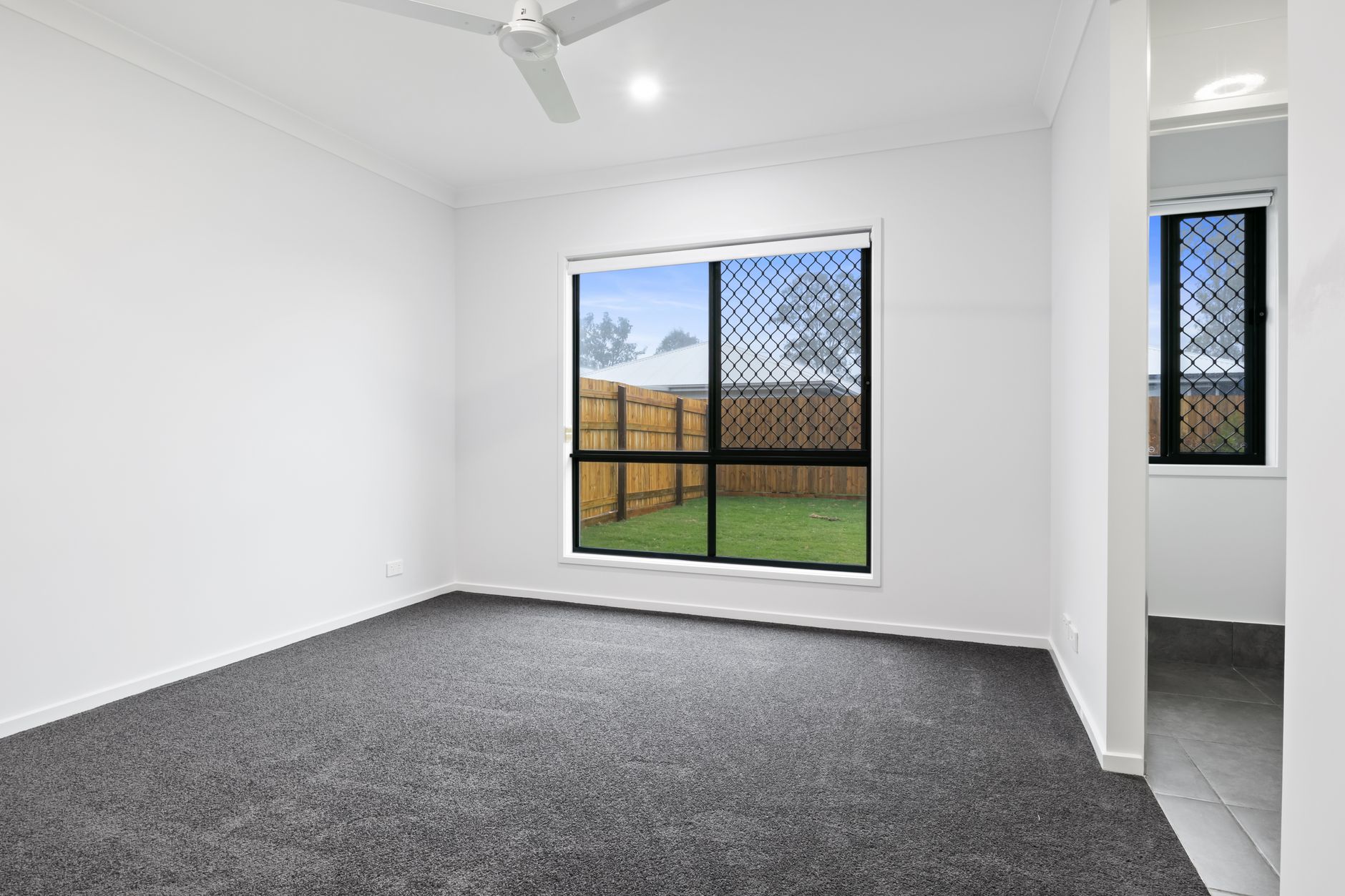
When renovating an established Australian residence or planning an architectural extension, the overhead plane is often treated as an afterthought. Most builders default to standard plasterboard (gyprock), assuming it is the sole realistic solution. However, as contemporary Australian floor plans embrace vast sliding glass doors, double-height voids, and expansive open living zones, the shortcomings of traditional plasterboard quickly become apparent.
The Raking Light Dilemma in Australian Interiors
Our intense sun shines through large northern and western glass apertures at low angles in the late afternoon. This phenomenon—known in trade circles as raking light—casts sharp shadows across the slightest imperfection, joint tape seam, or roller texture mark in painted plasterboard. Even skilled trade plasters find it challenging to deliver an unblemished Level 5 finish across extensive continuous ceiling spans.
Stretch ceiling systems, by contrast, rely on precision pre-tensioned membranes made of resilient polymer or woven polyester. Stretched taut into perimeter extrusion profiles, they create a chemically uniform surface with zero joints, zero taping, and absolute flat planar geometry.
The Renovation Reality: Dust and Downtime
Anyone who has undergone a plasterboard ceiling replacement is familiar with the upheaval: days of sheet installation, multiple coats of wet compound, and endless rounds of fine gypsum dust settling into carpets, vents, and cabinetry. The property frequently becomes uninhabitable for a week or more while primer and top coats cure.
With stretch ceilings, the perimeter tracks are fastened directly to the perimeter walls or existing framing. Once lighting reinforcement platforms are secured, the membrane is hung and tensioned. The entire procedure for an average Australian room (25–35 m²) takes roughly 4 to 8 hours. There is no messy sanding, no painting fumes, and no requirement to vacate the home.
Moisture Resistance and Foundation Movement
In regions like coastal Queensland and New South Wales, humidity can weaken plasterboard over time, encouraging mildew in bathrooms and laundries. Furthermore, reactive clay soils in Melbourne and Adelaide cause seasonal building movement, which frequently leads to recurring hairline cracks across plasterboard cornices and joints.
Stretch ceilings are completely waterproof and elastic. They flex naturally with thermal expansion and foundation settling without cracking, peeling, or deteriorating. Should an overhead plumbing pipe or roof tile spring an unexpected leak, the membrane safely holds water until a technician can drain it, safeguarding your flooring and custom joinery.
Key Comparison Summary
- Installation Speed: Plasterboard (4–7 days with drying) vs Stretch Ceilings (1 day).
- Disruption: Plasterboard creates pervasive sanding dust; Stretch Ceilings generate virtually zero site mess.
- Surface Uniformity: Stretch ceilings provide 100% planar consistency under raking sunlight.
- Moisture Tolerance: Stretch membranes are impervious to steam, moisture, and mold.
While basic plasterboard may carry a lower upfront material cost for standard spec builds, the speed, cleanliness, durability, and architectural perfection of stretch ceilings offer compelling long-term value for discerning homeowners and designers.
Have plans for an upcoming renovation?
Our team can review your ceiling layout and provide a transparent AUD estimate.